We all know good nutrition is important to our overall health, but many women are unaware of the connection between diet, lifestyle, and fertility health.
I can’t tell you how many times I’ve had someone say to me, “No one told me that XYZ could impact my fertility.” Many of my clients are often surprised to learn that even certain “healthy” eating habits can be negatively impacting their fertility.
Here is a list of five things you should know about your diet and lifestyle that are essential to promoting a healthy reproductive environment:
Fat is not the enemy, but low-fat foods are.
Fats are essential for healthy hormone production and maintaining blood sugar balance (which is the #1 thing you need to focus on to balance your hormones), so it is important to not skip on fat in your diet. Low-fat foods also tend to be much higher in sugar in order to offset the taste from the reduction in fat. Swap fat-free products (especially dairy) for their full-fat alternatives. However, this is not an excuse to binge on ice cream and chips. Instead focus primarily on two types of fats: Omega-3s (found in Wild Salmon, Chia Seeds, Hemp Seeds, and Walnuts) and unprocessed monounsaturated fats (found in Olive Oil, Avocado, and Almonds).
Hold the toxins.
Many women are unaware of the number of toxins they interact with on a daily basis. When it comes to your reproductive health it is important to reduce your exposure to any toxins that can disrupt your endocrine system. Eat organic and Non-GMO (especially meat, fish, eggs, dairy, and the dirty dozen)! Educate yourself about the chemicals that are in your foods, household cleaning products, and cosmetics. Slowly start to make the necessary changes to incorporate non-toxic items into your diet and lifestyle. I recommend choosing the 5 things you use on a daily basis.
Healthy diets are great, but fad diets are not.
Questions Women Are Asking
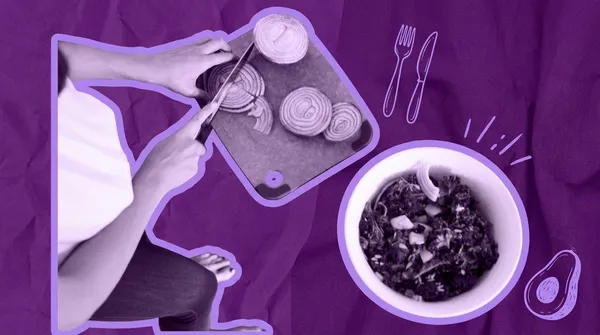
Even if you are trying to lose weight, restrictive diets like vegan and keto are not so great for your fertility. I always recommend focusing on a diet that builds healthy cells and promotes hormonal balance. Most people eat WAY too much sugar (and carbs), which causes our body to constantly produce the hormone insulin. Having excess insulin in the blood can lead to metabolic and hormonal disturbances that negatively impact fertility. A diet for fertility is centered around healthy fats (especially omega-3s), high-quality animal and plant proteins (fish, eggs, nuts/seeds), and a TON of non-starchy, antioxidant-rich vegetables (kale, spinach, broccoli, mushrooms, zucchini, etc), but it also includes some complex carbohydrates (sweet potatoes, quinoa, organic berries) for the right amount of balance.
Check yourself!
I always recommend women do basic nutrient testing (with Vitamin D) before they plan to get pregnant so that they can be sure to incorporate additional supplementation if needed. Vitamin D is essential to many aspects of reproductive health, such as reducing inflammation, balancing hormone production, and supporting thyroid health. Most women are deficient in Vitamin D, and there is significant research to show that having sufficient Vitamin D levels can be a total game-changer in terms of your ability to get pregnant.
Your stress level matters.


Your eggs and reproductive organs are made up of cells, therefore it is important to keep those cells as healthy as possible. Oxidative stress in the body caused by free radicals can cause damage to cells that make up eggs and reproductive organs. If our eggs and reproductive organs are not healthy on a cellular level, then they will not function at their optimal level. It is important to reduce things in your life or diet that create stress--whether it is smoking, drinking, or even a toxic relationship. Start by incorporating antioxidants like berries, kale, onions, garlic, cauliflower, and supplements like NAC and COQ10, which work to reduce oxidative stress in the body. It is important to look into emotional or mental blocks that may create stress or blocked energy in the body. Incorporating stress reduction activities like gratitude journaling, acupuncture, meditation, or therapy are all helpful.