Why is Everybody Suddenly Obsessed With Traditional 'Gender Roles' in Relationships?
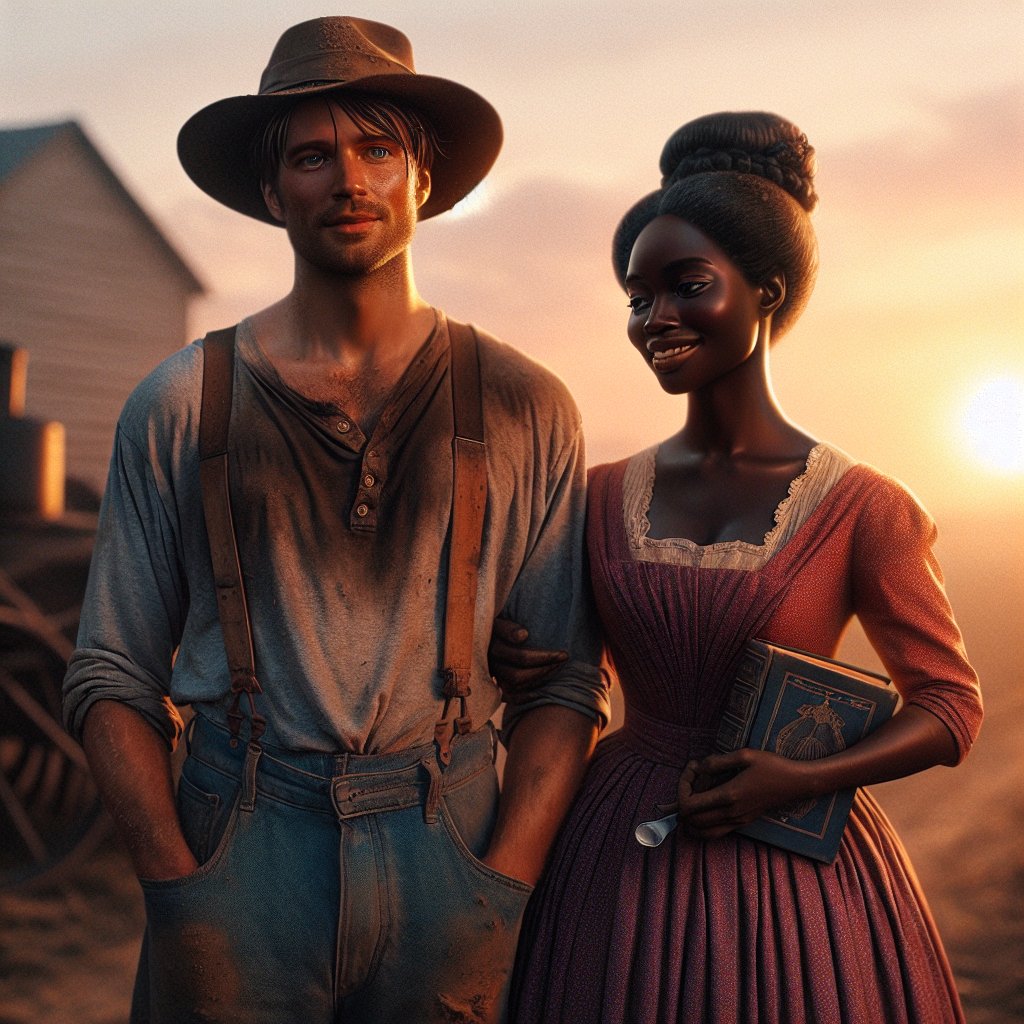
Do you watch Love is Blind? If you tuned into the most recent season, I imagine you noticed the sheer volume of references to traditional gender roles in relationships.
Multiple couples featured on this season of the reality romance show brought up the topic of gender roles in relationships early on in their courtships — which isn't terribly surprising to anyone with a TikTok account.
On the app, conversations about relationships are full of terms like "provider man", "high-value woman", and "soft life". The TL;DR? Many users believe strict adherence to these "traditional gender roles", under which men are providers and women are nurturers, is the key to a happy life. Or, as many say, "a soft life".
Listen, it's been a minute (or 14 years worth of minutes) since I've navigated the wild world of dating, but I don't remember this ever being a thing. Of course, many of us fell into gendered roles in relationships (think: men proposing, women taking on more emotional labor in relationships, etc), but we didn't define it or talk about it so much.
But based on the apps, and now a certain reality show that reflects the themes of modern-day dating, it’s pretty clear: Traditional gender roles in relationships are top of mind for a lot of young people in the dating game.
My take? This is a nuanced issue. There’s a wage gap, the workforce is set up for men’s success, and if you want to, say, be a stay-at-home mom at some point, it can be important to make sure that’s a financial reality and that your long-term partner is both willing and able to support this.
But labeling it as “the soft life”, glorifying financial dependence, and this obsession with traditional gender roles? Well, it feels like it can get regressive — and it’s not reflective of the reality of truly embodying those traditional roles that leave women with mounds of domestic labor and limited power.
Ask Clara: What are traditional gender roles?
More from BODYTALK


"Protect Your Daughters" Has Never Been Enough. Why Aren't We Talking More About Educating Our Sons?