This Clip of Anne Hathaway Shutting Down Sexist Questions Will Infuriate You (Hopefully for the Right Reason)
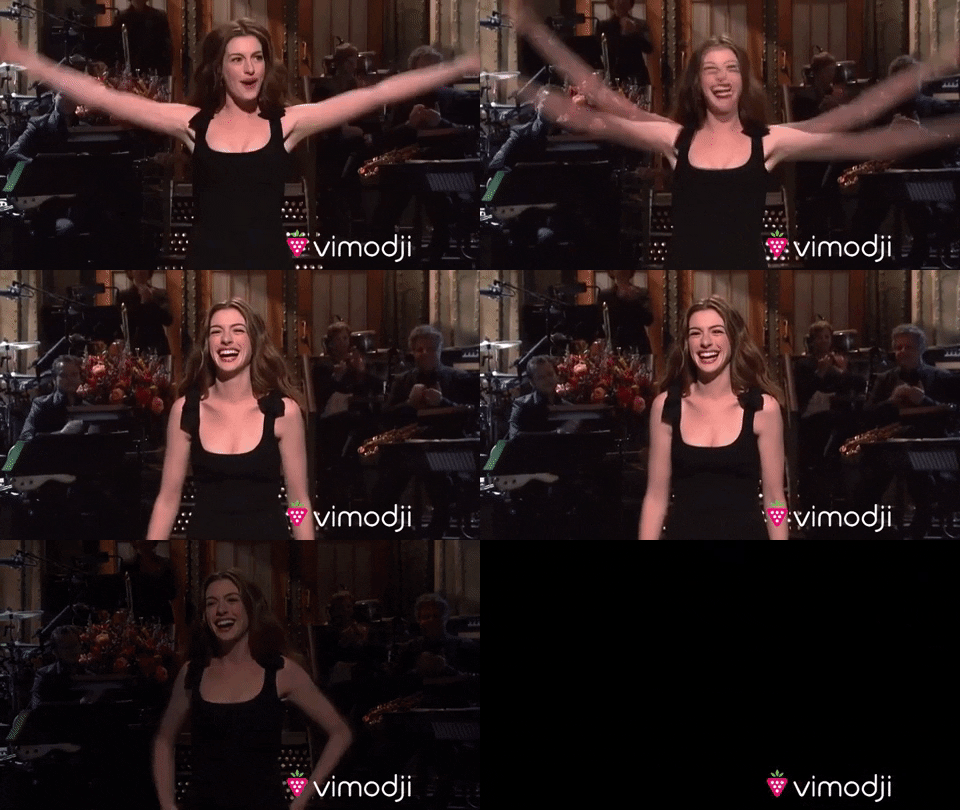
If you're a millennial, you remember the days of Hathaway hate — when the mere mention of Anne Hathaway's name could send groups of people into diatribes about how "unlikable" the talented actress is.
Not surprisingly, the pit of Hathaway's likability came around the same time as the peak of her professional success. Because doesn't the likability paradox always go that way?
So why is all the relevant now, a full 15-ish years after the height of Hathway hate? Well, I just came across a clip of the actress answering a series of incredibly sexist, invasive questions, and I was immediately reminded of how much the public panned this poor woman. And for what? She didn't do anything wildly offensive or commit a crime. When I saw this video and it all made sense: So much of the Hathaway hate was a byproduct of the star's refusal to let sexist BS fly.
Hathaway stands up for herself. And let's face it, we have a hard time with women who don't roll over and allow the world to walk all over them. In this clip, it's so obvious. The video features a series of interview questions directed towards Hathaway, Many are about her weight and her body. The zinger for me is when Hathaway is asked about a wardrobe malfunction she suffered.
"I was very sad that we live in an age when someone takes a picture of someone in a vulnerable moment and rather than delete it and do the decent thing, sells it... And I’m sorry that we live in a culture that commodifies sexuality of unwilling participants," she said. And then, like a consummate professional, she steered the conversation away from her body and her humiliation and back to her work, which was the whole reason for her press appearance.
MIC DROP MOMENT. Listen, today we'd probably applaud this moment, but when you look back and think about the "unlikable" moniker Hathaway received, and then you go back and watch interviews, it all becomes painfully clear: People hated this woman because she advocated for herself, publicly and unabashedly. She didn't let the invasive questions slide. She didn't laugh off the body-shaming. She moved the needle around how we speak to women and what we demand they share. And that made her the villain, according to many — but to us? It makes her a role model.
Ask Clara:

"What is the likability paradox?"

More from BODYTALK
"Protect Your Daughters" Has Never Been Enough. Why Aren't We Talking More About Educating Our Sons?