When it comes to fertility, we know that age matters. But that doesn’t mean that some of us won’t try our best to reverse the signs of aging with hair dye and Botox. Whether you’re trying to conceive at home or in the thick of fertility treatments, you may be wondering what’s safe — and what’s not — when it comes to beauty treatments, and it’s a valid concern.
So, what does the research say about Botox, hair dye, and other self-care indulgences when you’re trying to get pregnant? Let’s find out.
Is Botox safe when trying to conceive?
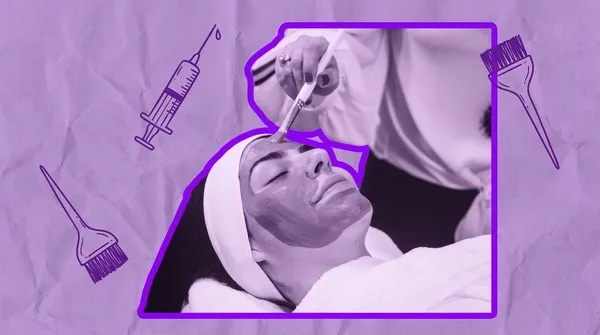
Botox is a popular cosmetic treatment and is a brand name for botulinum toxin type A, a neurotoxin that is produced by the bacterium Clostridium botulinum. When injected into the skin, it blocks the nerve signals that control muscle movement. This causes the muscles to relax, reducing the appearance of wrinkles and fine lines. Botox is most commonly used to treat wrinkles on the forehead, around the eyes, and between the eyebrows.
Some women also use Botox on other parts of the body to treat conditions such as chronic migraines, excessive sweating, and overactive bladder.
What the research says about Botox and pregnancy
There’s very little research on Botox during pregnancy, because pregnant people aren’t included in clinical trials. That lack of data, not proof of harm, is why Botox is generally put on hold during pregnancy and breastfeeding.
The FDA no longer sorts medications into letter categories like “Category C.” In 2015, the Pregnancy and Lactation Labeling Rule replaced those letters with plain-language summaries on each drug’s label. Botox’s prescribing information states that there are no adequate human data on developmental risk in pregnancy.
Questions Women Are Asking
Because there’s no human data on how Botox affects early pregnancy, many people choose to pause it while trying to conceive. It’s worth talking through the timing with your provider, especially if you’re in fertility treatment.
Is it safe to dye your hair while trying to get pregnant?
If you’re panicking about giving up Botox for a while, you’re probably worried about what other cosmetic treatments you should avoid during the preconception period. Hair dye, specifically, uses chemicals to penetrate the hair shaft and change the hair color, making it a natural concern that these chemicals may get through our skin and into our bloodstream.
Hair dye hasn’t been studied extensively in pregnancy, but the research that does exist is reassuring. According to MotherToBaby, a service of the Organization of Teratology Information Specialists, only a small amount of dye is absorbed through healthy skin on the scalp. Highlights and other techniques that keep color on the hair shaft don’t touch the skin at all. The FDA doesn’t approve cosmetics before they go on sale, and it recommends asking your provider if you have questions about a product during pregnancy.


If you want to be extra careful and take absolutely no risks, then your best bet is to take some time off from hair treatments during your first trimester of pregnancy, when the majority of the baby’s critical organs and systems are developed.
While there are no hair dyes that are specifically labeled or marketed as "safe for pregnant women,” the majority of hair dyes on the market contain similar ingredients, and you can always choose to go with ones that contain fewer chemicals and artificial ingredients to err on the side of caution.
The bottom line
So, the moral of the story is, not all cosmetic procedures are created equally. With Botox, there is unfortunately not a lot of evidence to support its safety when trying to conceive or pregnant. If you’re using it for medical reasons (such as to treat migraines), it’s best to discuss your unique situation with your healthcare provider. If it’s for cosmetic reasons, it really is your own personal decision, but the evidence is limited as to how safe it is during the preconception period. The good news, however, is that hair dye is considered low-risk while trying to conceive, and there are plenty of other ways to practice “self-care” during this time — from yoga to meditation to journaling.