Sponsored by Nourish
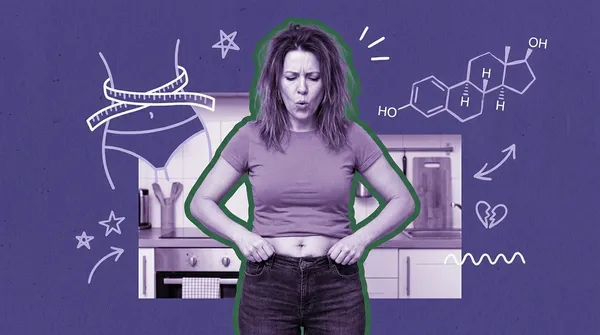
Between logging meals, swapping snacks, tracking macros, and trying the thing your friend swore by, you’d think your jeans would fit by now. But they still feel uncomfortably tight. And it’s not because you gave up. You did everything that used to work, but it doesn’t work anymore. Did you miss a memo, or is your body just not cooperating?
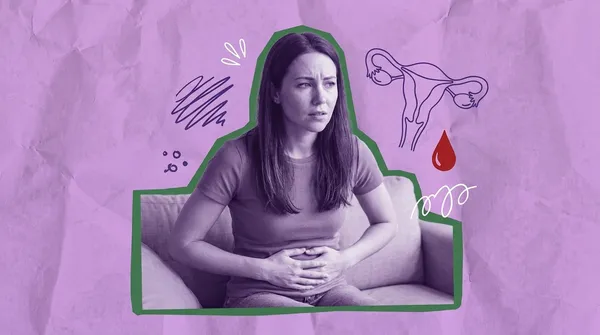
Menopause can play a role in how fat is stored and what works (or doesn’t) when trying to maintain a healthy weight.
Below: what’s changing during this life stage, which foods are worth eating less of, and where a registered dietitian (RD) can come in.
3 things you may want to limit
These three food categories have meaningful research behind them pointing to visceral fat accumulation (that’s fat around the midsection):
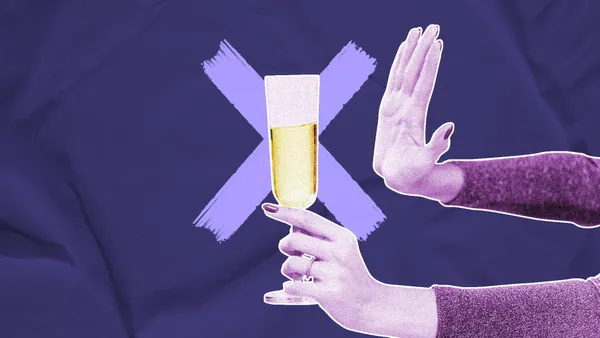
Alcohol
Ultra-processed foods
Sugar-sweetened drinks
So, the list of “foods to avoid during menopause” isn’t all that long — and you don’t have to cut these out entirely, but consuming less of them could make a real difference.
To make it easier on yourself while figuring out what to eat (and what to eat less of), consider downloading the Nourish app.
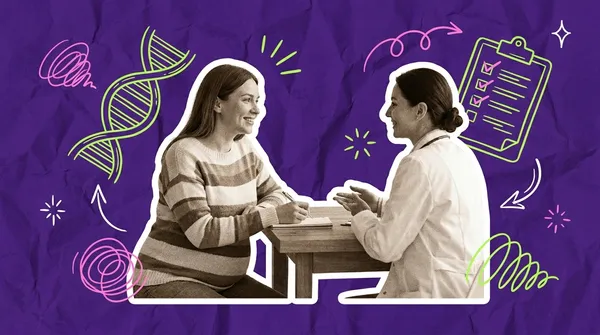
The platform can connect you with a registered dietitian specializing in menopause. Then you can schedule a virtual appointment with your provider over video, who will tailor an eating plan based on your needs, menopause symptoms, and goals. If the strategies that worked at 35 have stopped working, your RD can help you figure out why and what to change for the body you have now.
With each session, you’ll get ongoing nutritional support for balanced eating, navigating weight changes, and managing symptoms like hot flashes or fatigue. Between sessions, you can message your dietitian anytime through the app, so the question that hits you at 2 a.m. mid-night sweat doesn’t have to wait for your next appointment.
These virtual appointments are typically covered by insurance, and you can fit them around your workday instead of taking an afternoon off. See if you’re covered.
Why your old strategies stopped working
Menopause fat gain and bone density decline
The Study of Women’s Health Across the Nation (SWAN) followed 3,302 women across 18 years through the menopausal transition. Body weight climbed through midlife with no sudden jump at menopause. But at the start of the transition, the rate of fat gain doubled while bone density started to decline.
Declining estrogen and fat redistribution
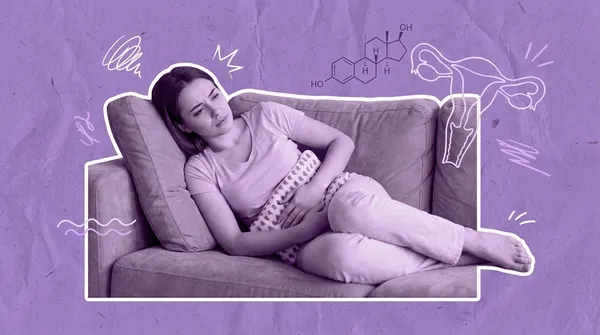
As estrogen declines, fat redistributes from a gynoid pattern (accumulation around the hips and thighs) to an android pattern (centered around the abdomen).
Fat that was once stored subcutaneously (just under the skin) shifts to visceral storage around the organs. This redistribution is specific to menopause — it’s not simply about getting older.
Two knock-on effects can change how your body responds to food:
First, losing lean mass lowers resting metabolic rate (RMR). This means your body burns fewer calories while doing nothing.
Second, insulin sensitivity declines, so your cells don’t handle glucose (blood sugar) as efficiently.
Some reassuring news: The SWAN data suggest that these fat-redistribution trends flatten roughly two years after a woman’s final menstrual period. This is also why the old fallback of cutting more doesn’t help. Eating less does nothing about lean mass or insulin sensitivity. A dietitian can help you adjust what you eat to protect muscle and keep your blood sugar steadier.
Why visceral fat matters (it’s not about how you look)
Visceral fat is metabolically active tissue. It produces inflammatory compounds and hormones that independently predict metabolic syndrome, type 2 diabetes, and cardiovascular disease in women.
Abdominal fat accumulation matters for cardiometabolic risk. Heart disease is the number-one cause of death in women in the U.S., and the risk rises after menopause.
Instead of focusing only on body weight, try tracking your waist circumference, blood pressure, lipid panels, and A1C (average blood sugar levels) with a healthcare provider’s guidance.
You can match with a registered dietitian through Nourish’s telehealth platform. Your provider will review all your health factors and provide nutrition counseling built around your long-term goals. Nourish dietitians also work with diabetes, so if your A1C has started creeping up, that can be part of the conversation, too.
The three worth reducing, and why
Alcohol
This is the one with the most evidence behind it. Alcohol has been shown to disrupt sleep. For women already dealing with night sweats, the compounding effect is significant.
Poor sleep can mess with appetite hormones (driving ghrelin up and leptin down) and raise cortisol (the “stress hormone”). Both effects are associated with visceral fat storage.
Alcohol consumption is also independently linked to a higher breast cancer risk, even for moderate drinkers.
This doesn’t mean you should never have a drink again. Just pay attention to how drinking affects your sleep, hot flashes, or next-day hunger. A dietitian can help you spot the pattern and figure out what amount works for you.
Ultra-processed foods
More research is needed, but evidence links ultra-processed food intake to overall weight gain and visceral fat accumulation. These foods tend to crowd out protein and fiber, two things that matter a lot for nutrition during the menopausal stage.
Again, you don’t need to swear off your favorite comfort foods forever. We all have a few we return to once in a while. Just look at how much ultra-processed food you’re eating overall, and try to shift the ratio.
Sugar-sweetened drinks
Liquid sugar generally doesn’t trigger satiety the way solid food does. In other words, you take in the calories but don’t get the feeling of fullness. And sugar-sweetened beverages are consistently associated with visceral fat in research.
“Avoid all sugar” isn’t what we’re getting at here. Whole fruit is great. And having dessert is totally fine in moderation.
The evidence points more directly to fruit juice, sugary soda, and sweetened coffee.
The menopause “foods to avoid” lists that aren’t supported
When Googling “menopause belly fat,” you may have seen lists of foods to avoid. These ones are often flagged, but advice to restrict them might be misguided:
Questions Women Are Asking
Soy: Soy is frequently listed as harmful for menopausal women. The evidence actually suggests that soy isoflavones could modestly help hot flashes.
Dairy: There’s no evidence that dairy causes belly fat or inflammation in people who tolerate it. It’s also a convenient source of protein and calcium, both of which matter for women during menopause.
Gluten: Wheat and grain proteins aren’t relevant to menopause belly fat unless you have celiac disease or a diagnosed sensitivity. Outside of those exceptions, removing gluten likely won’t change your body composition.
Of course, everyone’s experience with menopause and tolerance to various foods is different. A dietitian can help you sort out which advice actually applies to you, and which you can stop following.
What to eat instead
Protein, and more of it than you think
Lean mass loss during the menopausal transition can quietly affect your metabolic rate, strength, and insulin sensitivity. Eating plenty of protein, combined with resistance training, is the research-backed way to address this.
But know that personal protein targets depend on factors like body weight, activity level, kidney function, etc. A nutrition specialist can help you figure out what to aim for. Because Nourish dietitians also work with sports nutrition, they can help you fuel the strength training that goes with it, too.
Fiber
On average, most women don’t get the recommended daily intake of fiber.
Fiber supports satiety, so you stay fuller for longer. It also supports glycemic control by slowing blood sugar absorption and a healthy gut microbiome.
Fiber is something you can add easily by including more vegetables, whole fruit, legumes, and whole grains with your meals.
What this looks like in an actual meal
Here are a few examples of balanced meals with plenty of protein and fiber:
Breakfast:
Greek yogurt topped with fresh berries and a few sliced almonds.
Mashed avocado on whole-wheat toast with a side of eggs.
Lunch:
Quinoa bowl with grilled or rotisserie chicken, broccoli, and bell peppers.
Mediterranean-style lentil and chard soup.

Dinner:
Grilled salmon with asparagus and brown rice.
Black bean, avocado, and lime salad over greens and topped with blackened chicken or lean beef.
You can swap out the protein source, fruits, and veggies for your favorites, and flavor each meal with your preferred seasoning.
The eating pattern, not the list
Mediterranean-style eating has strong evidence for cardiometabolic outcomes in midlife women. It works because of what it includes — vegetables, legumes, fish, olive oil, whole grains, nuts — not what it forbids.
Calcium and vitamin D shouldn’t be overlooked since bone density can dip after menopause. Beyond that, a registered dietitian can look at your labs, medications, training load, and your actual life and build something specific for this life stage. Nourish connects women with RDs who specialize in exactly this.
The telehealth platform accepts hundreds of insurance plans, and 94% of patients pay $0 out of pocket.
Food is only part of the picture
A few other things matter, too:
Resistance training: Strength training can help counter lean mass loss, helping you maintain the muscle you feed with protein.
Sleep: Night sweats and insomnia can disrupt appetite hormones and raise cortisol. Think about addressing sleep issues as part of your menopause wellness plan.
Hormone therapy: Hormone replacement therapy (HRT) may help with symptom management while helping preserve lean mass and bone density. Some evidence suggests that estrogen-based hormone therapy might help prevent fat accumulation.
FYI, hormone therapy isn’t a weight loss treatment. Still, it’s worth discussing with a healthcare provider if you’re looking for menopause symptom relief. Improved body composition could be a secondary benefit.
Disordered eating during menopause
Midlife is a time when disordered eating can be more common among women.
If thoughts around food have become all-consuming, or if meals have become a source of distress rather than nourishment, support is available. Call the National Alliance for Eating Disorders helpline (866-662-1235) to connect with someone who can help.
Working with a dietitian who specializes in both menopause nutrition and disordered eating can help you understand why these unhealthy patterns have developed and learn new ways to approach eating. A virtual RD through Nourish can provide nutrition counseling and personalized support to help you heal your relationship with food.
You don’t have to navigate it alone
Menopause changes how your body handles food. A plan built around your needs, health, and goals takes a lot of the guesswork out of what to eat next. With Nourish, progress can show up in how you feel, including your energy and your confidence around food, not only on the scale.
Nourish offers real food guidance for menopause from registered dietitians. Check to see if a Nourish dietitian is covered by your insurance.