Sponsored by Sumitomo Pharma Medical Affairs
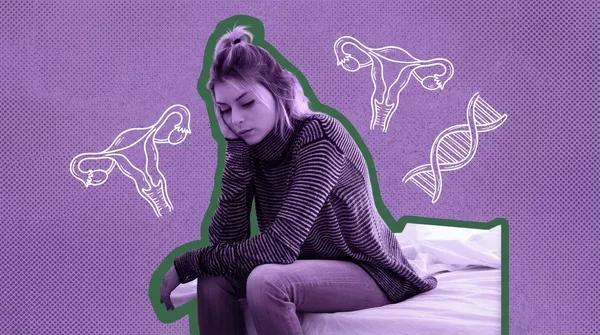
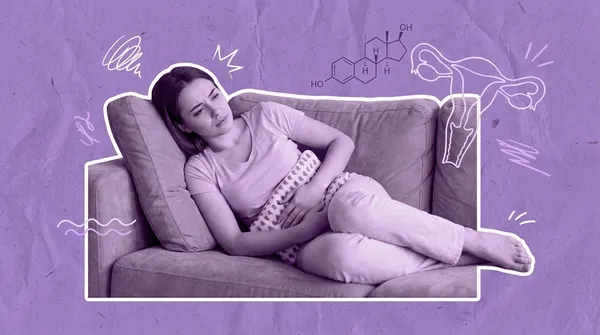
You may have heard people talking about period pain or excruciating cramps. Knowing that happens can normalize things. So you push through. You cancel plans, curl up with a heating pad, and tell yourself this was just part of being a woman.
But what if the pain you've been brushing off isn't just a rough period? What if your body has been trying to flag something deeper all along, like endometriosis?
Severe menstrual pain may be more than "just cramps"
Pain that disrupts your daily life, keeps you home from work or school, or doesn't respond to over-the-counter medication could be a sign of endometriosis.
With endometriosis, tissue similar to the uterine lining grows in places outside the uterus, like on the ovaries, fallopian tubes, bowel, or pelvic lining. These growths are called lesions.
According to a study published in PLoS One that looked at disease rates from 1990 through 2021, endometriosis affects about one in 10 women of reproductive age worldwide. That's hundreds of millions of people. And yet, the average time to diagnosis is still painfully long.
Part of the reason is that endometriosis symptoms overlap with what many consider "normal" period discomfort. Pain during your cycle, bloating, fatigue — these get dismissed so routinely that many people never connect the dots.
But endometriosis isn't limited to menstrual cramps. It can also show up as:
Nonmenstrual pelvic pain that lingers between periods
Pain during or after sex
Pain in the lower abdomen or while using the bathroom
Heavy menstrual bleeding or irregular bleeding
Difficulty getting pregnant
Endometriosis is a complex disease that can affect the body in many ways. Our endometriosis symptom checklist offers a more in-depth look at the full range of signs to watch for. If any of these symptoms sound familiar, they're worth exploring further with a healthcare provider.
Understanding endometriosis as a chronic condition
Endometriosis is a chronic disease that doesn't yet have a cure. Hearing that can feel heavy, especially if you're newly diagnosed or still working toward answers. It's completely valid to feel overwhelmed, frustrated, or even relieved that there's finally a name for what you've been experiencing.
The good news is that understanding the condition gives you real power. When you know what's happening in your body, you can make more informed treatment decisions, advocate more effectively at medical appointments, and stop second-guessing whether your pain is "real enough" to deserve attention. It always was.
The Society for Women's Health Research, with support from Sumitomo Pharma America, created a toolkit with information about the condition and guidance on preparing to seek medical support.
The estrogen connection nobody explained
You might know estrogen as a key reproductive hormone. What rarely gets explained is that endometriosis is an estrogen-dependent disease.
Estrogen acts as fuel, driving the growth, inflammation, and pain of endometrial-like tissue outside the uterus. The relationship between estrogen and endometriosis is one of the most important pieces of the puzzle, but it's often left out of the conversation.
Here's why estrogen plays such a central role, and why managing it matters so much.
Endometriosis lesions produce their own estrogen
This is the part that surprises most people. Systemic estrogen levels (the estrogen measured in your blood) are often completely normal in people with endometriosis. So standard blood tests could come back looking unremarkable.
The problem isn't necessarily how much estrogen your body produces overall — it's what's happening locally, right at the site of the lesions. Endometriotic lesions can produce their own estrogen by overexpressing an enzyme called aromatase P450.
Research published in Seminars in Reproductive Medicine shows that aromatase P450 is expressed beyond normal amounts in endometriosis. It's stimulated by the lipid compound prostaglandin E2 (PGE2), also known as dinoprostone, resulting in local estrogen production that further drives inflammation within endometriotic lesions.
Aromatase converts other hormones into estrogen, essentially creating a self-fueling loop: The lesion makes estrogen, the estrogen stimulates growth, and the growing lesion makes even more estrogen.
This is one reason endometriosis can be so persistent. It's also why simply checking blood estrogen levels doesn't always tell the full story.
Estrogen receptor imbalance amplifies the problem
The relationship goes deeper than just how much estrogen is produced. Endometriosis tissue also has abnormal levels of estrogen receptors — think of these as the docking sites where estrogen attaches and triggers cellular responses.
Specifically, endometriosis tissue tends to express very high levels of estrogen receptor beta (ER?) while suppressing estrogen receptor alpha (ER?). Another study published in Seminars in Reproductive Medicine found that this imbalance caused by endometriosis tissue can result in a concerningly high ER?-to-ER? ratio.
This imbalance matters because ER? activation is linked to increased inflammation and tissue growth, while ER? plays a different regulatory role. The net effect is that the tissue becomes hypersensitive to estrogen's inflammatory signals, worsening pain and possibly progressing the disease.
Questions Women Are Asking
Progesterone resistance makes everything harder
In a normally functioning reproductive system, progesterone acts as a counterbalance to estrogen by:
Calming inflammation
Limiting tissue growth
Helping regulate the menstrual cycle
With endometriosis, high estrogen activity often happens alongside progesterone resistance. This means the body can't use progesterone properly to counteract the inflammation estrogen is causing.
Research published in Reproductive Medicine and Biology in 2024 and the journal Biomarker Research in 2026 identifies progesterone resistance as a major problem in endometriosis. The progesterone is there, but the tissue essentially ignores it. This is part of why some hormonal treatments that work well for other conditions may be less effective for endometriosis — and why a tailored approach to care matters so much.
Why this hormonal picture matters for treatment
The estrogen-endometriosis connection directly shapes how the disease is managed.
Many current treatment approaches for endometriosis work by reducing estrogen's influence on the body, whether through birth control or other hormonal medications, lifestyle modifications, or surgical options.
Knowing that endometriosis lesions are essentially running their own estrogen production operation helps explain a few things that might otherwise feel confusing. For instance:
Why your blood work might look "normal" even when symptoms are severe
Why certain birth control methods help some people but not others
Why symptoms can persist even after treatment
Why a multidisciplinary approach (sometimes combining medication, surgery, and lifestyle changes) tends to be most effective


Finding the right options calls for a thorough understanding of what's actually driving your symptoms. And that starts with conversations — with your healthcare, with yourself, and with resources you trust.
When to flag your symptoms
One of the biggest barriers to diagnosing endometriosis is the cultural habit of normalizing pain. Heavy periods get chalked up to genetics. Pelvic pain gets attributed to stress. Pain during sex is whispered about but rarely brought to a doctor. This pattern of dismissal can delay care.
Consider flagging your symptoms if you experience:
Menstrual pain that regularly interferes with work, school, or daily activities
Pelvic pain outside of your period
Pain during intercourse
Bowel or bladder pain that worsens around your cycle
Heavy bleeding that soaks through a pad or tampon in less than two hours
Difficulty conceiving after a year of trying (or six months if you're over 35)
Tracking your symptoms — when they happen, how severe they are, what makes them better or worse — gives you powerful data to bring into a medical appointment. If you're wondering what the diagnostic process looks like, our guide to diagnosing endometriosis without surgery can help you understand your options before your next appointment.
Taking the next step toward answers
If anything in this article felt like reading your own experience, that recognition matters. You're not overreacting. You're not being dramatic. Pain that disrupts your life is worth investigating, full stop.
Developed by Sumitomo Pharma America, the Uterine Health Guide is a trusted resource developed by medical experts and patient advocacy organizations to help you learn more about period health, uterine health conditions, and what your symptoms might mean. It includes tools designed to educate and encourage you to take charge of your health, from understanding what a "normal" period actually looks like to recognizing when to flag concerning issues.
Taking care of your uterus starts with paying attention. And paying attention starts with having the right information — not the watered-down version, but the kind that actually explains why your body does what it does.
The estrogen connection is one piece of a much larger picture. Check out the Uterine Health Guide to become better equipped to ask the right questions, push for the right answers, and advocate for the care you deserve.