Fertility Doesn’t Clock Out Just Because You Do
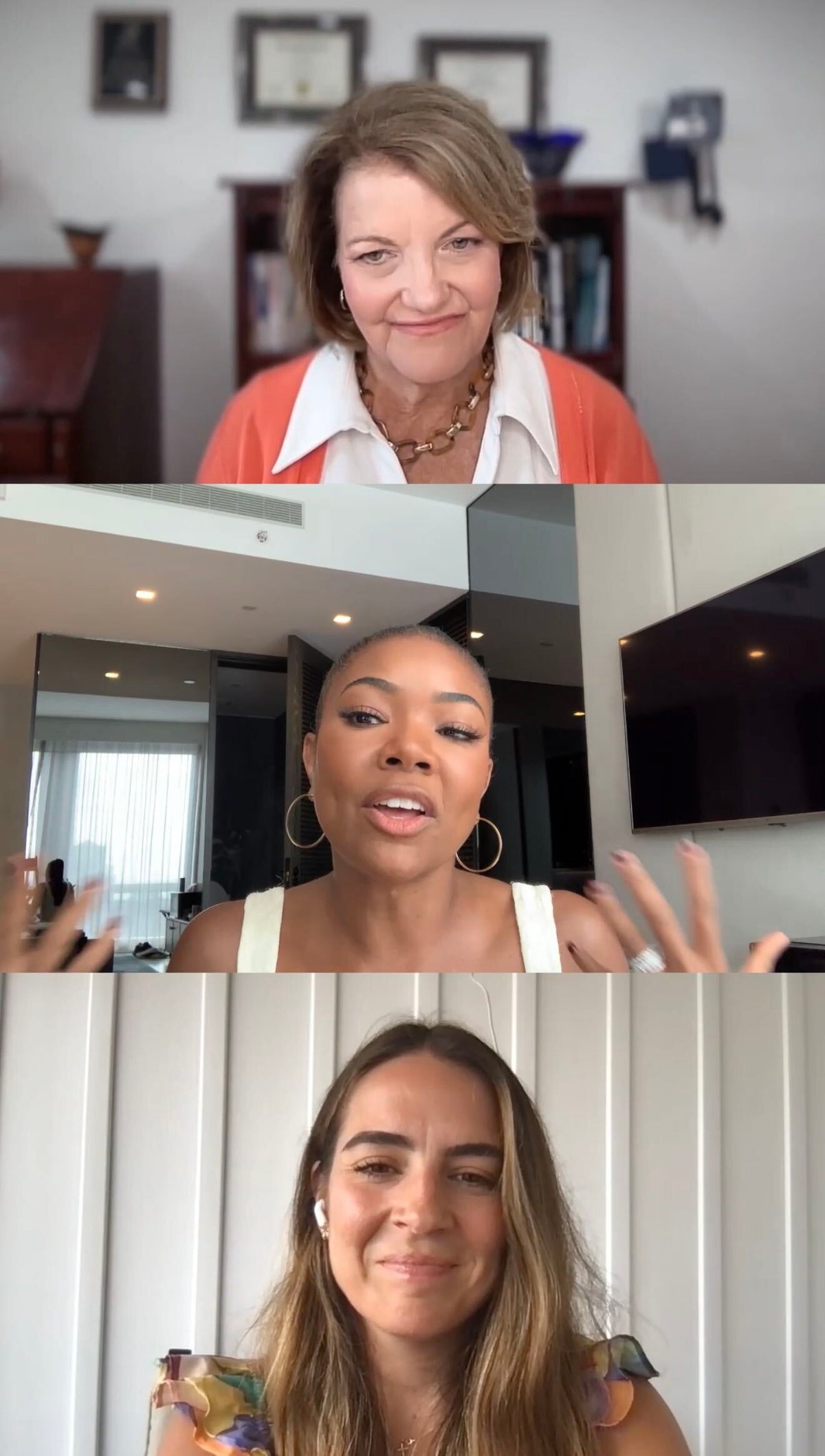
At the ASRM fertility conference this week, my cofounder Abby and I were talking with our friend Dr. Carmen Messerlian, a Harvard-trained reproductive epidemiologist. The conversation started the usual way — how to avoid harmful chemicals that can disrupt hormones and fertility — when one of us said what we were both thinking: “But we’re done having kids. Why do we need to worry about fertility anymore?”
Carmen’s answer stuck with us. Preserving fertility well into your 40s isn’t just about reproduction. It’s protective for your brain, your heart… your whole body.
It turns out a longer reproductive lifespan, meaning more years of natural estrogen, is linked to better brain health and a lower risk of dementia. Estrogen helps protect regions like the hippocampus and prefrontal cortex, which are key for memory and decision-making. Research shows that women with longer estrogen exposure have better cognitive function and even greater brain volume in these areas.
So fertility isn’t just about being able to conceive. It’s a marker of overall health. Taking care of your hormones now can pay off decades later, even if kids aren’t in the picture.
It makes me wonder: what if we thought about fertility the way we think about sleep or heart health, something we protect because it keeps our brains and bodies strong? How would that change the way we actually take care of ourselves?
Ask Clara: How does perimenopause affect your brain?
More from GIRLHOOD