When it comes to giving birth, there’s one prevailing narrative most people hear: “The day you meet your baby is the happiest day of your life.”
For many people, that may be true — but for many others, the experience of giving birth can be scary, painful, and even dehumanizing…and the effects of that can last long after that baby is born.
Birth trauma is real. It’s also far more common than you might expect, especially because it’s so rarely discussed.
Birth trauma, like any other trauma, can take time to show up. Identifying the issue may be the first step towards healing.
Emily Guarnotta, PsyD, a psychologist and founder of maternal mental health practice Phoenix Health, shares more details on what birth trauma is and how people can heal from it.
What is birth trauma?
“Birth trauma is the emotional experience of recovering from a difficult or scary birth. It is often caused by a birth where there are medical complications or risk of harm to the mother or baby. A birth may also be traumatic if a mother feels helpless or like her voice isn’t heard during the birthing process,” says Guarnotta.
There’s no exact threshold for trauma, and this applies in the case of birth trauma as well. “Trauma is very subjective,” adds Guarnotta. “What feels traumatic to one person may not feel that way to another.”
A delivery doesn’t have to be “complicated” in order for birth trauma to be experienced
Not surprisingly, complications before or during delivery can increase the odds that someone will experience birth trauma, but even the smoothest delivery can lead to trauma (after all, a human exits another human’s body — it’s kind of a big deal!).
“Experiencing a medical complication increases the risk of birth trauma and postpartum PTSD. This includes needing an emergency C-section, use of vacuum or forceps during delivery, experiencing umbilical cord prolapse, and developing preeclampsia,” says Guarnotta. “Having a baby that needs to stay in the NICU also makes a person more prone to birth trauma.”
With that being said, Gurnotta adds that a birth that seems completely routine can also cause trauma. “A birth can go medically ‘right’ and still be experienced as traumatic,” she says. “For example, a birthing person who feels disregarded or like their voice isn’t heard can experience their birth as traumatic. A change in birthing plan, even if everything turns out okay, could also be traumatic.”
What other factors can increase a person’s odds of experiencing birth trauma?
“Other experiences that increase a person’s risk of birth trauma include a history of prior traumatic experiences, a lack of support during delivery, and emotional difficulties during pregnancy,” says Guarnotta.
“In most cases, there is nothing that you can do before giving birth to prevent birth trauma from happening. The course of childbirth is largely outside of our control,” she adds. “Attending all prenatal appointments, following your provider’s recommendations, and maintaining a healthy lifestyle during pregnancy can be helpful, but there are no proven ways to prevent birth trauma.”
How might someone experience birth trauma?
According to Guarnotta, symptoms of birth trauma can include:
- Intrusive reminders of the traumatic birth (think flashbacks, nightmares, or negative thoughts that are unwanted)
- Avoidance of any reminders of the birth, such as avoiding passing the hospital where the birth happened, or not wanting to talk about it
- Changes in thoughts and feelings (including feeling more depressed, experiencing less pleasure in things that were once enjoyable, and blaming yourself for what happened)
- Changes in reactivity, such as difficulty sleeping, feeling more agitated, or being easily startled
What can you do if you’re experiencing these symptoms?
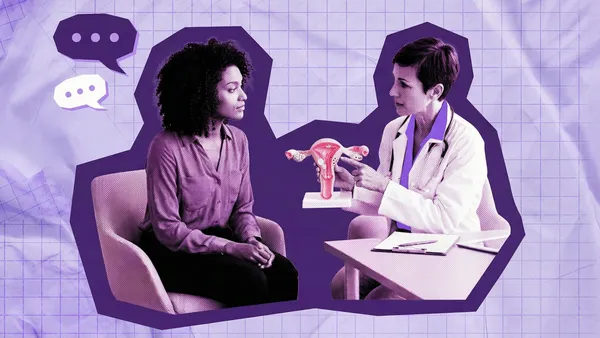
As always, if you’re experiencing anything concerning after giving birth — whether physically, mentally, or emotionally — a chat with your healthcare provider is always a good idea. They can point you towards resources to help process any trauma.
Questions Women Are Asking
Can you develop PTSD after giving birth?
“Birth trauma can lead to post-traumatic stress disorder (PTSD), which is a mental health condition that includes symptoms like reliving the traumatic event through nightmares and flashbacks, avoidance of reminders of the trauma, changes in thoughts and feelings, and increased reactivity,” says Guarnotta. “Approximately 9% of birthing mothers develop PTSD.”
“In terms of steps you could take after a traumatic birth, getting support and professional help sooner rather than later is important. If you are experiencing symptoms of PTSD or feel like you are struggling and not yourself, speaking with a mental health professional is recommended. Untreated PTSD may not get better on its own. Getting treatment can help you feel better and reduce unnecessary suffering,” adds Guarnotta.
How to find help: Birth trauma therapy options
If you're dealing with birth trauma, specialized therapy can make a real difference. Birth trauma therapy is designed specifically to help you process what happened during your birth experience and work through the emotional aftermath. These therapists understand that birth trauma is legitimate trauma, full stop, and they won't minimize what you went through.
Look for someone who specializes in perinatal mental health or trauma therapy, ideally someone who has experience working with postpartum parents. Many therapists now offer virtual sessions, which can be a lifesaver when you're navigating life with a new baby. Your OB-GYN or midwife may be able to provide referrals, or you can search through directories like Postpartum Support International.
EMDR for birth trauma
One type of therapy that's shown real promise for birth trauma is EMDR, which stands for Eye Movement Desensitization and Reprocessing. It's an evidence-based therapy that's been used successfully for all kinds of trauma, including birth trauma. During EMDR sessions, your therapist will guide you through recalling aspects of your traumatic birth while using bilateral stimulation—usually eye movements, but sometimes tapping or sounds. Many people find that EMDR helps them work through their birth trauma more quickly than traditional talk therapy alone. The goal isn't to erase your memory of what happened, but to help you process it in a way that reduces the emotional intensity and helps you move forward.
Other evidence-based therapies
EMDR isn't the only option out there. Cognitive Processing Therapy and trauma-focused Cognitive Behavioral Therapy are both effective treatments for birth trauma. These approaches help you identify and challenge unhelpful thought patterns related to your birth experience—like blaming yourself for what happened or feeling like you failed somehow. Some people also benefit from support groups specifically for birth trauma survivors. Whether you choose individual therapy, group support, or a combination of both, the most important thing is that you're taking steps to heal.


When does birth trauma begin and end?
You might think these feelings will start immediately after the traumatic event (in this case, giving birth), but this isn’t always the case.
“Mothers who experience birth trauma may begin having emotional symptoms immediately during or after the birth. Other mothers may not experience reactions for weeks, months, or even longer,” says Guarnotta. “Some new mothers may be so focused on caring for a new baby and adjusting to parenthood that [they] may not realize how much they were impacted by a traumatic birth until they have another baby, which could trigger their birth trauma.”
This experience is often invalidated
When a new mother expresses negative experiences around her birth, pregnancy, or some other aspect of new motherhood, people often say something along the lines of, “At least the baby is healthy!” That perpetuates a cycle where birth trauma is suffered in silence and shame.
“It insinuates that her feelings don’t matter because she has a healthy baby,” says Guarnotta. “Comments like this can be harmful and should be avoided when speaking to a mother who has experienced birth trauma.”
The bottom line
Birth trauma is real, it's more common than most people realize, and most importantly, it's treatable. If your birth experience left you feeling scared, helpless, or like something was taken from you, those feelings deserve attention and care—not dismissal. It doesn't matter if your birth was last week or last year. Healing is possible, and you deserve support in getting there. If you're struggling, reach out to your healthcare provider or a mental health professional who specializes in perinatal mental health.