Did Jane Austen Invent the Situationship?
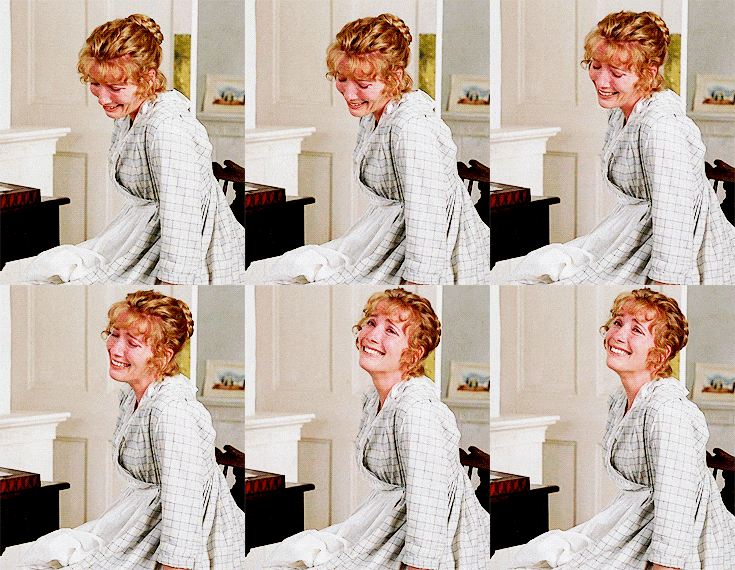
This summer, I read Pride & Prejudice for the first time (I know), and declared Mr. Darcy the ultimate example of “if he wanted to, he would.” Now, I’m reading Sense & Sensibility — it’s my Jane Austen year, what can I say — and I’m stating here, for the record, that Willoughby is the original f*ckboy.
He rescues Marianne in a rainstorm, loves every poet she loves, snips off a lock of her hair, and then leaves for London without so much as a proposal. And Marianne’s grief is SO first major heartbreak coded. She won’t sleep, barely eats, plays only the songs they used to sing together, and at one point Austen notes, completely deadpan, that her nerves “could not then bear any sudden noise.”
The noise is someone knocking on the door.
That’s the part I didn’t see coming: how funny Austen is. I’d always thought of her as bonnets and longing, but she’s basically roasting her own heroine, a seventeen-year-old who’s convinced a woman of twenty-seven is past love and a man of thirty-five, with his flannel waistcoats, is practically on his deathbed.
Meanwhile, her older sister Elinor is nursing a heartbreak of her own and telling absolutely no one, because somebody has to keep their mother, the household, and Marianne from falling apart. That’s the whole point of the book, sense and sensibility, two sisters hurting in opposite directions, and Austen never lets either of them off easy.
As an eldest daughter and a Pisces, I’ve been both, sometimes in the same ten minutes: ugly-crying to a sad playlist, then walking inside to ask my mom what she needed.
Marianne didn’t have a group chat — she had Elinor, which is better and, somehow, also worse.


More from GIRLHOOD