So you’ve figured out whether it’s BV, a UTI, or the double whammy. Now it’s time to treat it properly.
The good news? Both are treatable with antibiotics that target the bacteria causing your symptoms. Healing also means understanding which meds treat what and how to prevent this from happening again.
In this guide, we’ll walk through prescription options, smart prevention strategies, and what to do if these infections keep coming back. Because yes, relief matters. But not having to Google “why does it burn when I pee” again? Even better.
Treatment: Antibiotics for BV and UTI
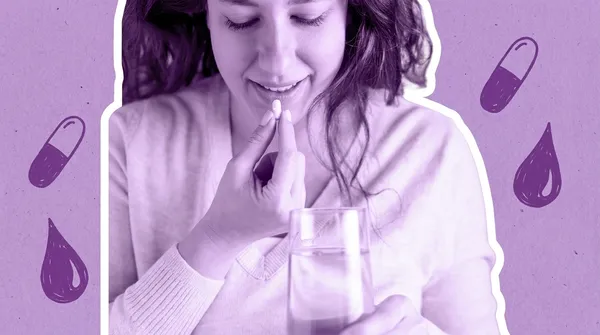
BV and UTIs aren't DIY situations. You’ll usually need prescription antibiotics, sometimes for both partners. The medication depends on where the infection is and which bacteria are involved.
If you’re still not sure what you’re dealing with, our article on distinguishing BV from UTI symptoms can help you push for the right treatment. The key is matching the treatment to the actual problem, not just guessing and hoping.
Common antibiotics for UTI
UTIs are treated with antibiotics that clear bacteria from the urinary tract. Here are the usual suspects:
- Nitrofurantoin (Macrobid): First-line treatment for uncomplicated UTIs, usually taken for 5 days. Mild stomach upset can occur.
- Trimethoprim-sulfamethoxazole (Bactrim): Often prescribed when resistance rates are low. Courses are usually 3 days. Possible side effects include rash, nausea, or sun sensitivity.
- Fosfomycin (Monurol): A single-dose powder you mix into a drink. Super convenient, though symptom relief can be a bit slower than with multi-day options.
Common antibiotics for BV
BV treatment focuses on restoring vaginal microbiome balance:
- Metronidazole (Flagyl): Pill or vaginal gel, usually 5-7 days. Avoid alcohol during treatment and for 24 hours after.
- Clindamycin: Available as a vaginal cream or oral medication taken for 7 days. Oral versions may cause digestive side effects.
- Tinidazole: An oral alternative similar to metronidazole, sometimes used when side effects are an issue.
You might see nitrofurantoin mentioned when BV and a UTI are suspected together, but it doesn't treat BV on its own.
Natural ways to treat BV (and what actually works)
Antibiotics are the gold standard for active BV. Natural options can support your body, but they don't replace prescription treatment when symptoms are present.
Where they may help is with prevention, maintenance, or restoring balance after antibiotics. Some evidence-backed options may reduce how often BV comes back, but they should not replace prescription meds during an active infection.
If BV keeps recurring or you're pregnant and having symptoms, talk to a provider before trying anything new. Supporting your vaginal microbiome is important. Doing it safely matters just as much.
Here’s what actually has data behind it, and what’s just loud internet nonsense.
Boric acid vaginal suppositories
Boric acid has some evidence behind it, especially for recurrent BV. A 2025 study for BMC Women’s Health found that boric acid may help reduce recurrence when used alongside antibiotics, particularly for stubborn, repeat cases.
But boric acid is not for oral use, not recommended during pregnancy unless your provider says it's okay, and not something to casually experiment with.
Probiotics with specific strains
Not all probiotics are created equal. The strains with the most support for BV are Lactobacillus crispatus and Lactobacillus rhamnosus, which help rebuild protective vaginal bacteria. A 2022 review for Frontiers in Nutrition found probiotics containing L. crispatus reduced recurrence when used after antibiotics.
These work best after or alongside antibiotics, not as a standalone cure.
Vitamin C vaginal suppositories
This one has limited but interesting evidence. Vitamin C can lower vaginal pH, which discourages BV-associated bacteria. A 2013 clinical trial for the Journal of Clinical Medicine Research found it may reduce recurrence in some people, though results were mixed.
What doesn’t work, despite what the internet says
Let’s clear this up, lovingly but firmly.
- Yogurt does not belong in your vagina. Eating it won’t treat BV either.
- Garlic is antibacterial, yes, but inserting it vaginally can cause burns and irritation.
- Tea tree oil is extremely harsh and can damage vaginal tissue.
- Douching disrupts vaginal bacteria and actively increases BV risk.
These methods aren’t just ineffective; some of them make BV harder to treat long-term.
Natural ways to support UTI treatment
Just as with BV, antibiotics are the primary treatment for an active UTI. Natural strategies may help reduce recurrence.
Here’s what actually has evidence behind it.
Hydration
A 2020 review for The Journal of Family Practice found that increasing daily water intake significantly reduced recurrent UTIs in women who typically drank low amounts of fluid.
You don’t need to chug nonstop, but pale yellow urine is a good, simple goal.
D-mannose
A 2020 trial by the Nuffield Department of Primary Care Health Sciences, Oxford University, found that D-mannose may reduce recurrent UTIs, especially in people prone to repeat infections, although other studies have suggested it doesn’t help. It’s generally well tolerated, though it’s not a substitute for antibiotics when symptoms are active.
Cranberry products
Cranberries have a modest but real role in UTI prevention. Compounds called proanthocyanidins may make it harder for bacteria to adhere to the urinary tract. A 2012 Cochrane Review concluded that cranberry products can reduce the risk of recurrent UTIs in some women, though they don’t treat an active infection.
Questions Women Are Asking
Probiotics
Certain probiotic strains may help support urinary and vaginal health by maintaining healthy bacterial balance. A 2012 review for Drugs suggests that Lactobacillus-based probiotics may reduce UTI recurrence when used consistently, particularly after antibiotic treatment.
What doesn’t help and can make things worse
Even with the best intentions, some everyday habits can accidentally work against you when you’re dealing with a UTI.
- Holding your pee (allows bacteria more time to multiply in the bladder)
- Not drinking enough water (concentrates urine and makes infections more likely)
These habits don’t cause UTIs on their own, but they don’t help your body clear bacteria once symptoms start.
Prevention: How to avoid BV and UTIs
The vagina and urinary tract are close neighbors, so prevention often overlaps. Small, consistent habits can make a big difference, especially if you deal with repeat infections.
Here’s what actually helps:
- Pee after sex to flush bacteria from the urethra. The UK NHS recommends urinating ASAP after sex to lower UTI risk.
- Wipe front to back to reduce bacterial transfer toward the vagina and urethra.
- Avoid douching; it disrupts the vaginal microbiome and increases BV risk. An analysis for the American Journal of Epidemiology linked douching with higher rates of BV recurrence.
- Choose cotton underwear. Breathable fabrics reduce moisture and irritation that bacteria thrive in.
- Skip irritating products like scented soaps, sprays, wipes, and vaginal deodorants that can disrupt your microbiome.
- Stay hydrated, since a 2020 analysis for the British Journal of General Practice showed increased water intake reduced recurrent UTIs.
- Limit excess sugar, which has been linked to BV recurrence in a 2025 review for Cureus.
- Consider probiotics, since a 2006 review in Drugs found reduced recurrence of both BV and UTIs with consistent use of Lactobacillus-based probiotics.
- Try the Wisp Urinary Tract Duo. Stop UTIs from even entering the chat with this natural over-the-counter set of supplements, specifically designed for urinary tract health.
- Practice safer sex with condoms to reduce bacterial transfer and microbiome disruption.
- Know your triggers, like new partners, certain lubes, tight clothing, or even workouts.
The sex talk: BV, UTIs, and your sex life
BV and UTIs aren’t STIs, but sex can definitely trigger them. Pee after sex, rinse with water only, clean toys between uses, and try a glycerin-free lube if BV likes to crash the party. It is also wise to pause sex while you are actively treating an infection.
And yes, the awkward part matters, too. Be open with your partner about symptoms and timing. Your comfort and healing come first, always.
Complications: Why you need to treat BV and UTIs
It can be tempting to wait things out and hope symptoms fade on their own. But with BV and UTIs, toughing it out isn’t harmless. Early treatment prevents complications.
What happens if UTI goes untreated
Untreated UTIs can turn into kidney infections, also called pyelonephritis. Think severe back pain, fever, nausea, and vomiting, and often require urgent antibiotics or hospitalization. A 2023 review for Alimentary Pharmacology and Therapeutics explains that kidney involvement increases the risk of complications and longer recovery times.
In rare cases, bacteria can enter the bloodstream and cause sepsis, which is life-threatening. Repeated untreated infections can also increase your risk of recurrent UTIs and long-term kidney damage, especially if they are frequent or severe.
What happens if BV goes untreated
If you're TTC, this matters even more. As Dr. Hariton explains, “BV has been associated with an increased risk of miscarriage, preterm labor, and low birth weight.”


BV is also linked to a higher risk of STIs, including HIV. A 2025 review for The Journal of Clinical Investigation found that BV-related changes can weaken the vagina’s natural defenses against infections.
And untreated BV raises the risk of pelvic inflammatory disease (PID), particularly when other bacteria are present. PID can affect the uterus and fallopian tubes and, if untreated, may impact fertility. A 2021 study for The Journal of Infectious Diseases found that BV-associated bacteria are frequently identified in PID cases.
Recurrent BV and UTIs: When it keeps coming back
If it feels like you’re treating the same infection over and over, you’re not alone. Research published in Frontiers in Reproductive Health in 2023 estimates that 50 to 80% of people experience BV recurrence within a year without ongoing management.
With recurrent UTIs, treatment often shifts to prevention. That might include post sex antibiotics, short-term low-dose antibiotics, or culture-guided treatment. A 2025 review in the National Library of Medicine explains that many recurrent UTIs happen due to reinfection rather than antibiotics “failing.”
For recurrent BV, the focus is on long-term microbiome stability. Suppressive treatment is sometimes used alongside lifestyle changes. Research published in BMS Women’s Health in 2023 shows that recurrence is common even after effective treatment, which is why ongoing strategies may be needed.
If infections keep returning, a gynecologist, urologist, or urogynecologist can evaluate underlying causes and guide prevention.
And please hear this: recurrence isn't a personal failure. It just means you need a different plan.
The partner factor: Why your BV might not be your fault
Here’s something that often gets missed. Male partners can carry BV-associated bacteria without symptoms. A 2015 study for the American Society for Microbiology showed that the penile microbiome can harbor bacteria like Gardnerella vaginalis, which may be reintroduced during sex.
That can create a frustrating cycle. BV clears, you have sex, symptoms return. A 2025 study in The New England Journal of Medicine found lower BV recurrence when male partners were treated too.
But BV isn't an STI. Sexual activity can play a role in bacterial transfer, though. If you’re in a monogamous relationship and BV keeps coming back, or working with a medical provider through Wisp to get treatment for men online.
Finding what works for your body
Healing isn't always a straight line. If symptoms come back or don't improve the first time, that's not a personal failure. Sometimes you need a different medication, a longer course, partner treatment, or a stronger prevention plan.
You're allowed to advocate for yourself. Ask questions, request alternatives, and push for testing if something feels off. That's not being difficult. That's taking care of your body.
If you want easier access to treatment, Wisp offers prescription medications for BV and UTIs, at-home testing, and follow-up care. It's free, discreet delivery, FSA and HSA accepted, and you can get 20% off with code RESCRIPTED.
Your body is not betraying you. It's communicating. With the right support, relief is absolutely within reach.