Is It Hormonal? Common Hormonal Skin Changes and How to Manage Them
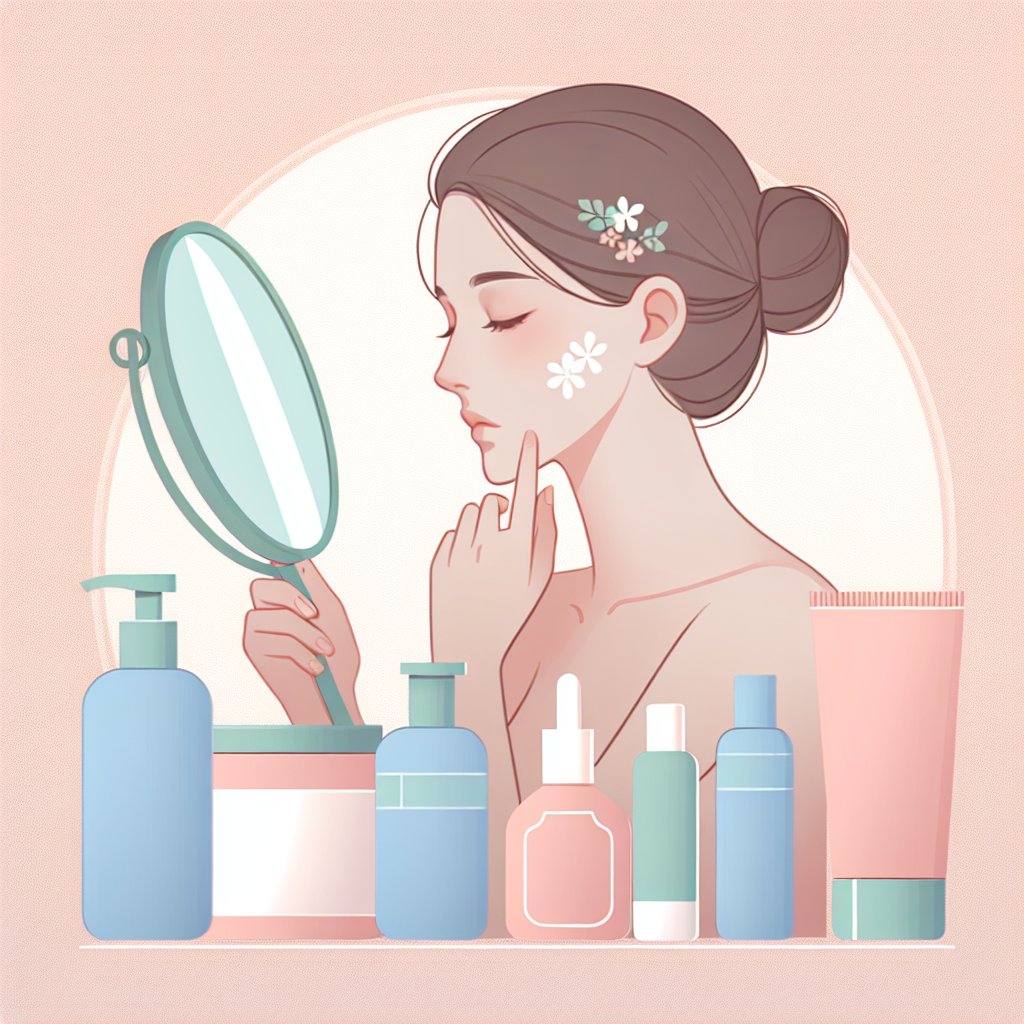
If your skin has ever felt like it’s going through a personality change (dry one week, breaking out the next, suddenly sensitive for no reason?) — hi, welcome to the very real world of hormonal skin changes. And no, you’re not being dramatic. Your hormones truly have that much influence over what’s happening on your face.
Here’s the deal: hormones like androgens, estrogen, and progesterone can impact things like oil production, inflammation, pigmentation, and even how well your skin holds onto moisture.
For example, androgens (a group of hormones that includes testosterone) can increase the size and activity of your oil glands, which means more sebum, clogged pores, and breakouts — especially around the jawline and chin. The American Academy of Dermatology explains how androgen shifts can contribute to acne and oiliness, and how hormonal acne is linked to sebum overproduction.
On the flip side, estrogen tends to support skin thickness, hydration, and elasticity. Research has shown estrogen can help stimulate collagen and hyaluronic acid production—aka, the things that keep skin looking plump and dewy. So when estrogen dips (hello, PMS or perimenopause), skin can feel drier, duller, or just… more reactive.
And then there’s pregnancy, when hormones can trigger melasma (dark facial patches), increased pigmentation, and other changes. ACOG notes that melasma is common during pregnancy and emphasizes sun protection to prevent it from worsening.
Bottom line? Hormonal skin shifts are normal — but if changes feel extreme, persistent, or painful, it’s worth seeing a dermatologist. Your skin isn’t “acting up.” It’s communicating.
Ask Clara:

"How do I treat hormonal acne?"

More from The Wellness Edit