

Sponsored by

Iron Deficiency Anemia
Have But Don’t Know About
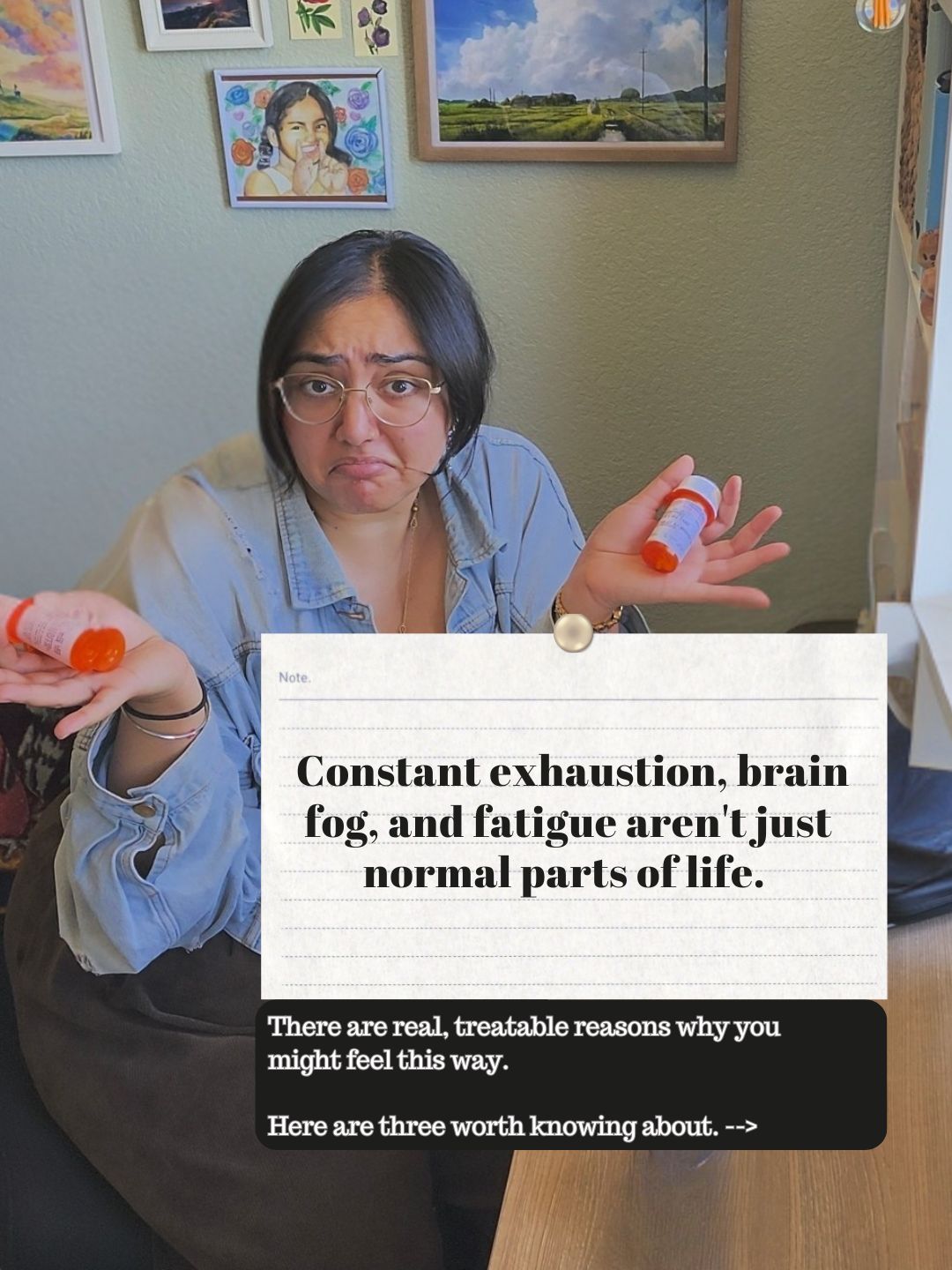
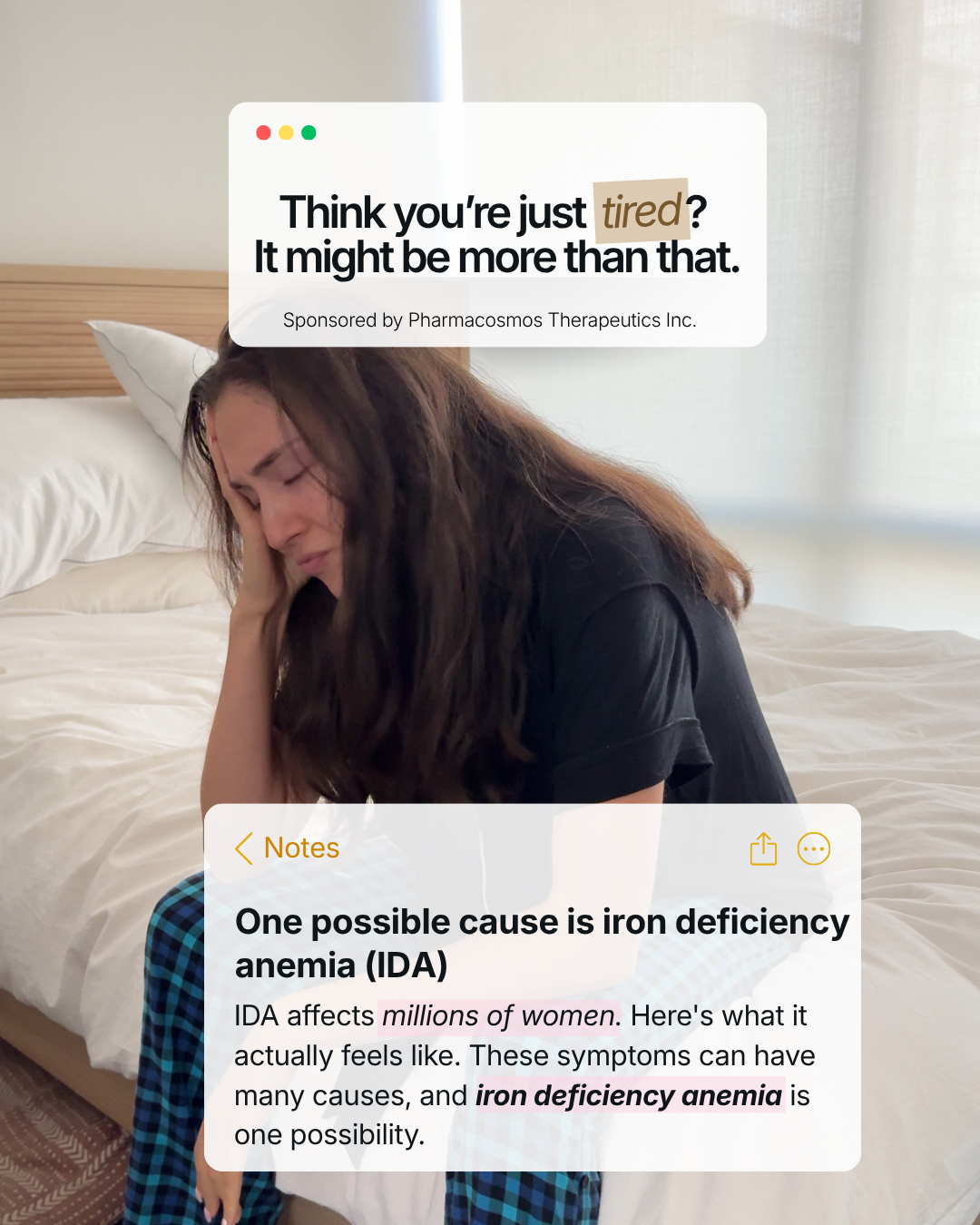
You’ve been exhausted for a while. Not tired — exhausted. The kind where you wake up already behind, where climbing a flight of stairs requires a moment of recovery at the top, where the brain fog settles in so completely that you stop trusting your own thoughts. Your doctor says it’s stress. Then perimenopause. Then “just life with kids.” It isn’t until someone orders blood work, including a complete blood count panel (CBC) and full iron panel, that anyone finds the actual answer: textbook iron deficiency anemia. And you’ve had it for years.
The Latest on Social








The Simple Science
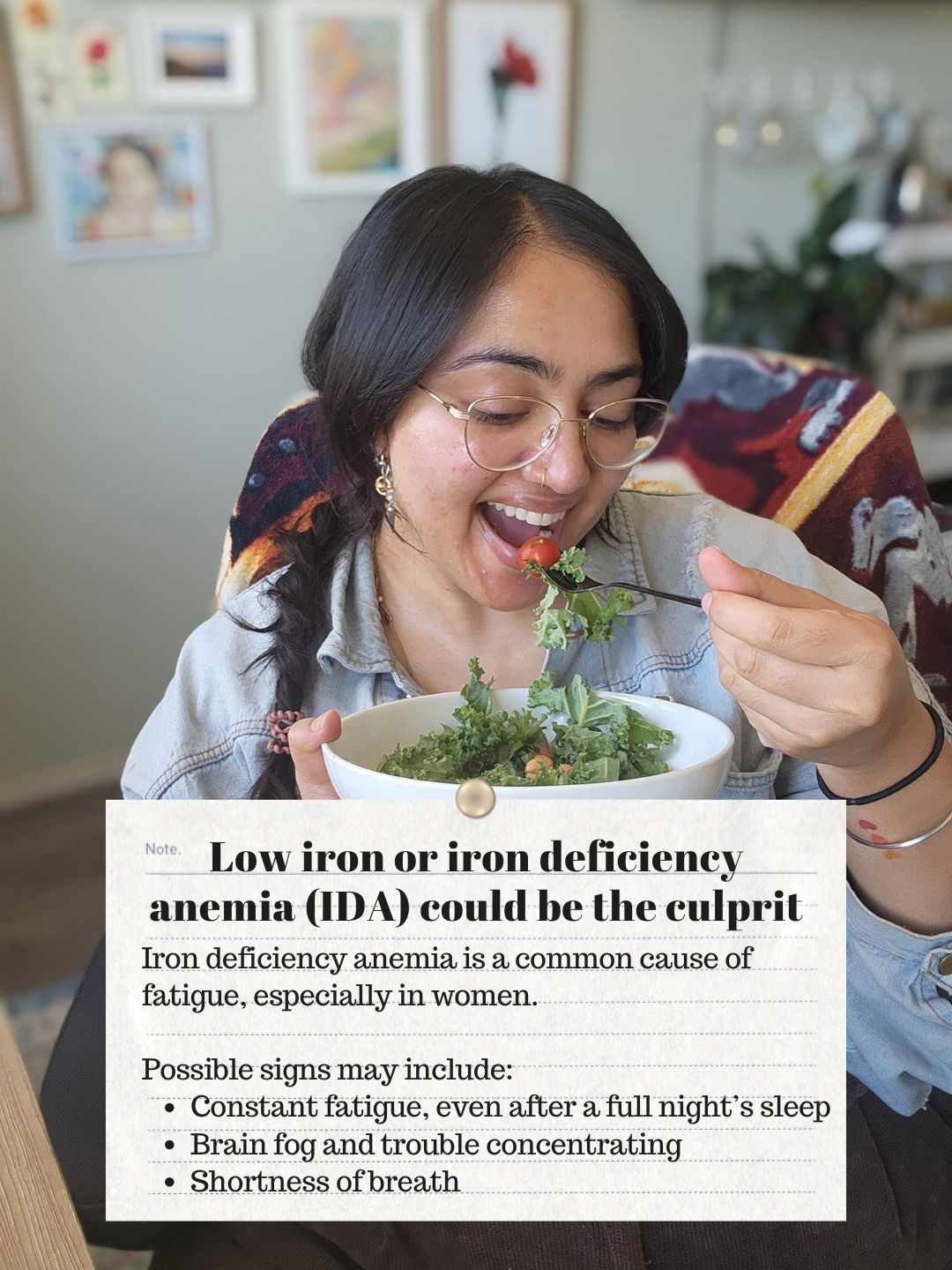
Iron is essential for making hemoglobin, the protein in red blood cells that carries oxygen throughout the body. Less iron means less hemoglobin, which means less oxygen reaching your cells. The result? Your body is essentially running on fumes, and everything from climbing stairs to concentrating at work feels harder than it should.
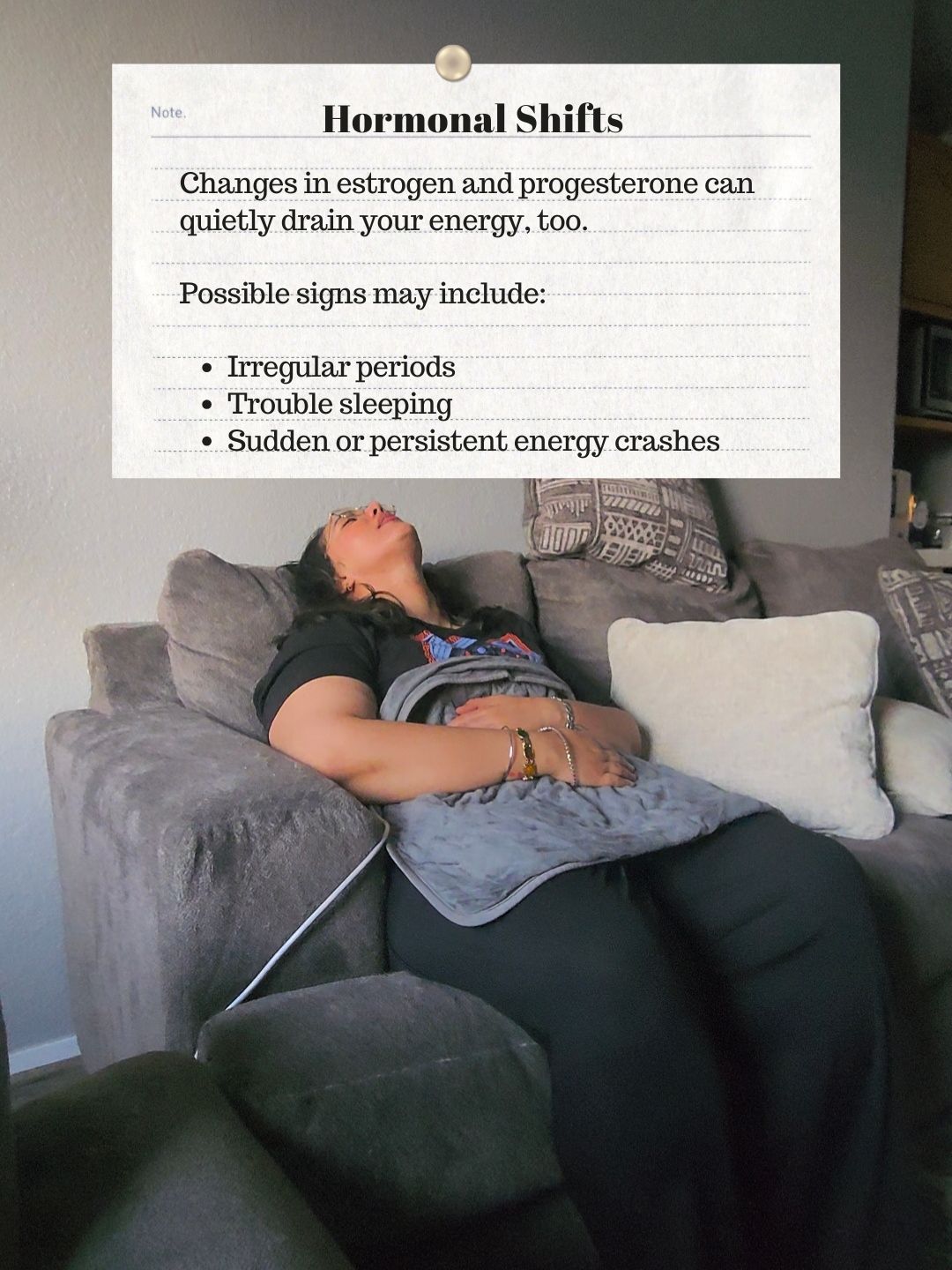
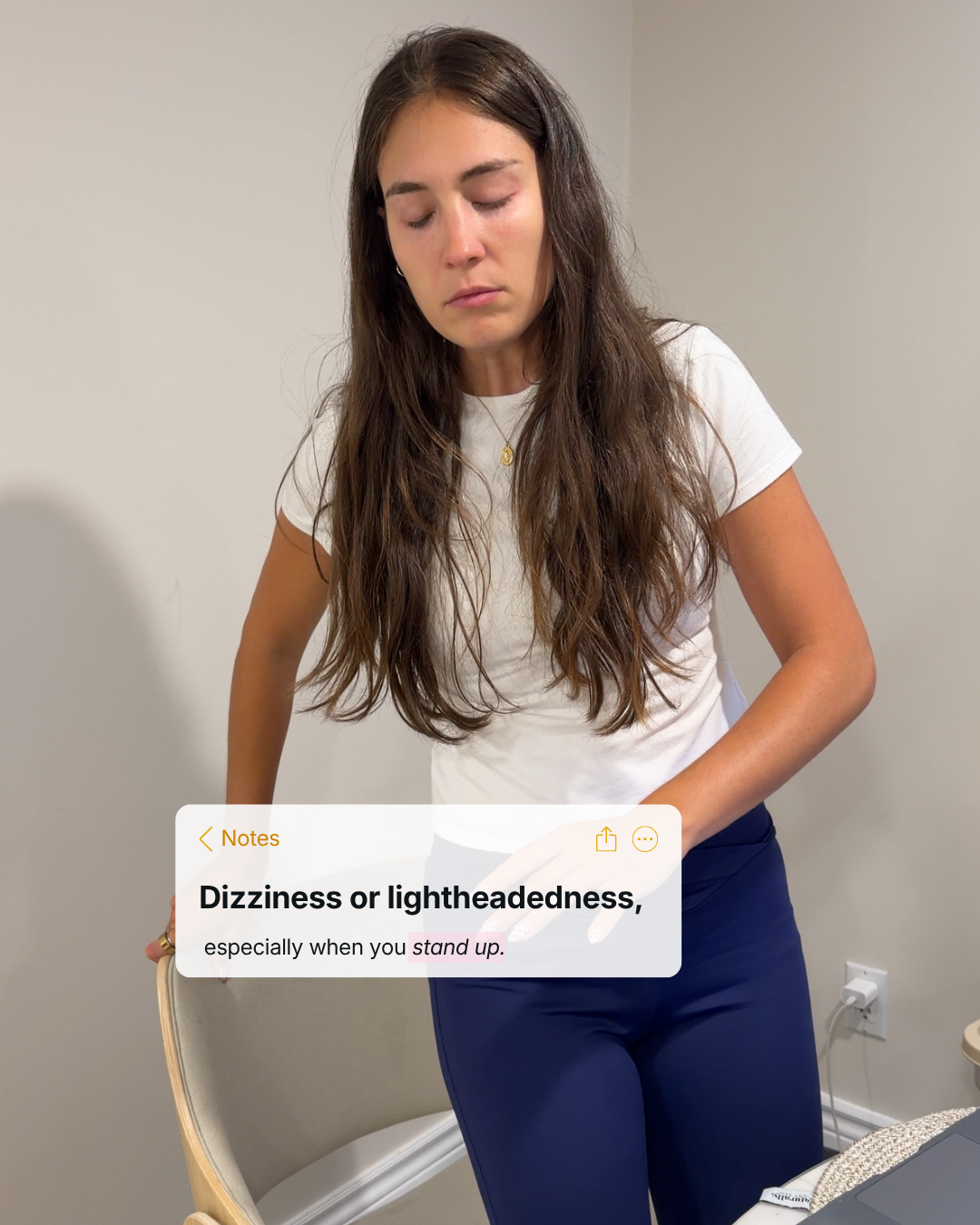
What many women don’t realize is that you can be iron-deficient without being technically anemic. Your ferritin (stored iron) levels can be tanking while your hemoglobin still looks “normal” on a standard blood panel. This is why a full iron panel — including ferritin, total iron-binding capacity (TIBC), and transferrin saturation — matters so much. Women are particularly vulnerable due to monthly menstrual blood loss, increased demands during pregnancy, and dietary restrictions. Heavy periods and iron deficiency often create a vicious cycle where each condition worsens the other. Beyond fatigue, watch for shortness of breath, dizziness, cold hands and feet, pale skin, and brittle nails.
Learn More About Iron Deficiency Anemia

Brain fog and exhaustion that no amount of sleep can fix? That might be iron deficiency anemia.

If you've been running on empty and can't figure out why, it might not be stress.
Iron Deficiency Anemia Treatment (What Actually Works)
Oral iron supplements are a common first-line treatment, but they don’t work for everyone. Gastrointestinal (GI) side effects, poor absorption, and certain gut conditions can make oral supplementation ineffective. When oral iron fails, isn’t tolerated, or isn’t appropriate, IV iron infusion is an option, and it’s more accessible than many women realize. IV iron bypasses the GI system entirely, delivers iron directly into the bloodstream, and typically works faster than oral supplementation.
Monoferric® (ferric derisomaltose) is FDA approved to replace up to 1000 mg of iron in a single, rapid infusion. Monoferric is used for treating iron deficiency anemia (IDA) when you have previously tried oral iron medications and they have not worked. Monoferric is an intravenous iron treatment, meaning it is administered through your vein from a drip. Monoferric is also used for treating IDA if you have chronic kidney disease but are not dependent on hemodialysis. The dose may be repeated if IDA reoccurs. The intravenous infusion may take 20 minutes or more. Like all IV iron treatments, Monoferric has risks your doctor will discuss with you. Monoferric is contraindicated in patients with a history of serious hypersensitivity to ferric derisomaltose or any of its components, including reactions such as anaphylaxis, shock, hypotension, loss of consciousness, or collapse. Infusions are administered in a monitored clinical setting for this reason. See full prescribing information.
Iron Deficiency Anemia: The Condition Millions of Women Have But Don't Know About
See Important Safety Information below.You've been exhausted for a while. Not tired — exhausted. The kind where you wake up...




You deserve to feel like yourself again.
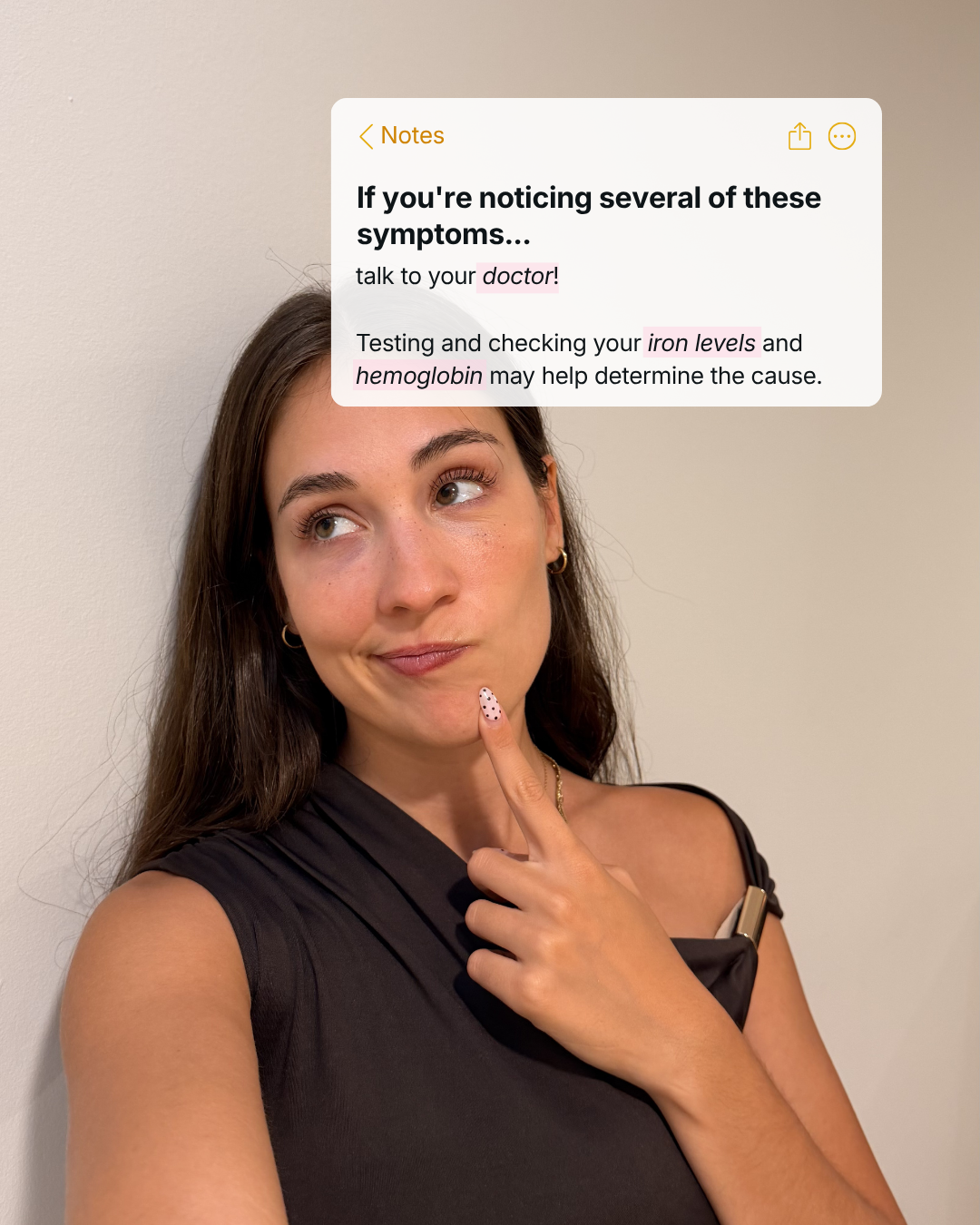
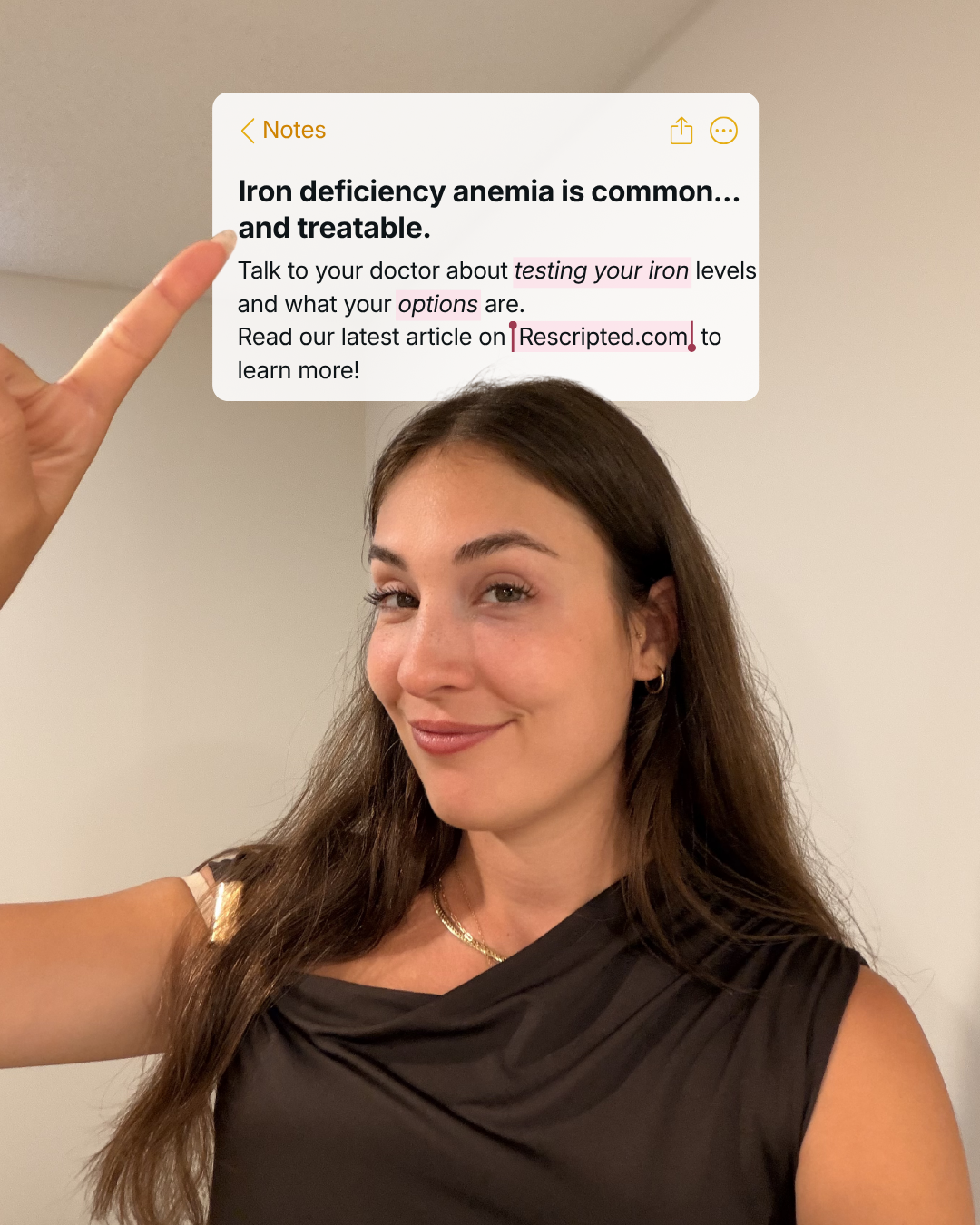
Talk to your doctor if any of this sounds familiar, ask about your iron levels, and find out if Monoferric® is right for you.
Learn More HereTo learn more about risks and side effects, please see Full Prescribing Information.
What is Monoferric®?
Monoferric (ferric derisomaltose) is a prescription iron treatment given through a vein (IV) to treat iron deficiency anemia in adults who:
- cannot tolerate oral iron or who have not responded well to treatment with oral iron
- have non-dialysis dependent chronic kidney disease
Important Safety Information
Who should not receive Monoferric?
Do not receive Monoferric if you have had serious allergic reactions to ferric derisomaltose or any of its ingredients.
What are the possible side effects of Monoferric?
Monoferric may cause serious side effects, including:
- Allergic (hypersensitivity) reactions. Serious life-threatening allergic reactions have happened in people who receive Monoferric. Symptoms of an allergic reaction including rash, itching, hives, dizziness, lightheadedness, breathing problems, and low blood pressure have also happened during treatment with Monoferric. Tell your healthcare provider right away if you develop any of the above symptoms of a serious allergic reaction or if you have ever had any unusual or allergic reaction to any IV iron in the past.
- Too much iron stored in your body (iron overload). Your healthcare provider should check the iron level in your blood before you start and during treatment with Monoferric.
What should I tell my doctor or healthcare provider before receiving Monoferric?
The most common side effects of Monoferric include rash and nausea. These are not all the possible side effects of Monoferric. Call your doctor for medical advice about side effects.
Before receiving Monoferric, tell your healthcare provider about all your medical conditions, including if you:
- have had an allergic reaction to IV iron.
- are pregnant or plan to become pregnant. It is not known if Monoferric will harm your unborn baby. Untreated iron deficiency anemia during pregnancy may increase risks for you and your baby.
- are breastfeeding or plan to breastfeed. Data from women treated with Monoferric show that iron is present in breast milk. It is not known how Monoferric may affect your breastfed baby.